
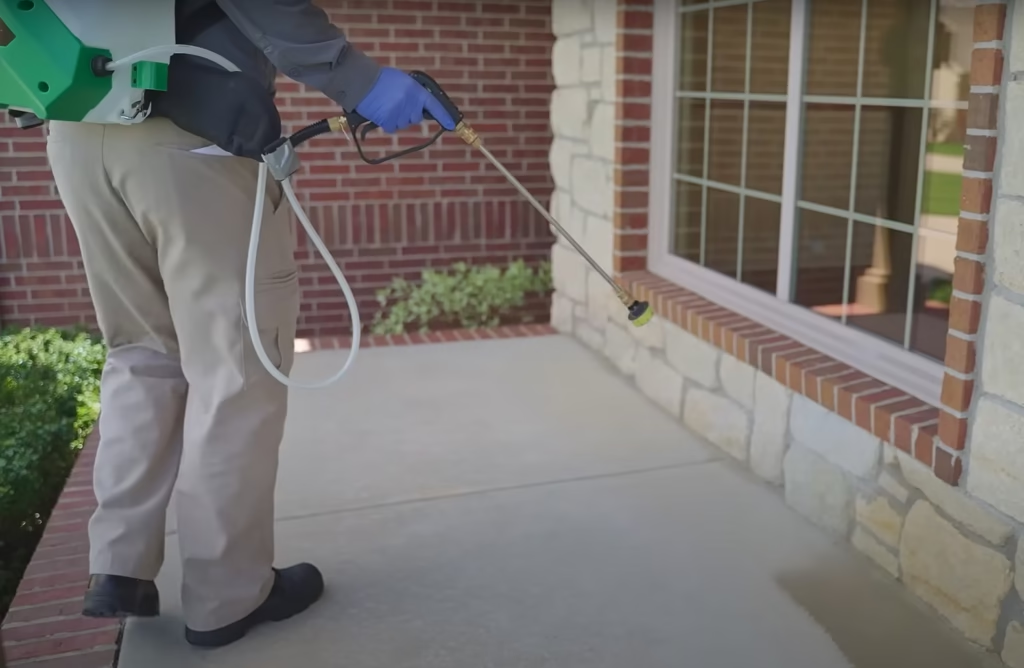
Living in the Dallas-Fort Worth metroplex means dealing with some of the most persistent and diverse pest populations in Texas. From the humidity that draws cockroaches in Deep Ellum to the suburban sprawl of Plano that creates perfect conditions for termites, our region presents unique challenges that require local expertise and year-round vigilance.
As someone who’s spent years helping families across North Texas protect their homes, I’ve learned that effective pest control isn’t just about spraying chemicals when you see a problem. It’s about understanding how our unique climate, geography, and urban development patterns create the perfect storm for pest activity throughout the year.
Understanding Dallas Fort Worth’s Unique Pest Landscape
The Dallas-Fort Worth area sits at the intersection of several ecological zones, creating a diverse environment that supports an impressive variety of pests. Our position in North Central Texas means we experience the moisture-loving pests from the east, the desert-adapted species from the west, and everything in between.
What makes our region particularly challenging is the urban heat island effect. Downtown Dallas can be several degrees warmer than surrounding areas, which extends the active season for many pests. Meanwhile, the Trinity River corridor creates microclimates with higher humidity levels that certain species absolutely thrive in.
The rapid suburban expansion across cities like Frisco, McKinney, and Southlake has also disrupted natural pest habitats, often pushing them directly into residential areas. When developers clear land for new subdivisions, displaced rodents and insects don’t just disappear – they adapt and often find our homes to be excellent substitutes for their natural habitats.
Seasonal Pest Patterns: What to Expect Throughout the Year
Spring: The Great Awakening
Spring in North Texas is when dormant pest populations come roaring back to life. March through May brings the first major ant activity of the year, particularly around areas like White Rock Lake and throughout the Park Cities. The combination of warming temperatures and spring rains creates ideal conditions for fire ant colonies to expand aggressively.
This is also prime termite swarming season. Those warm, humid evenings after a spring thunderstorm are when you’ll see winged termites emerging from established colonies. Richardson and Garland residents often report seeing these swarms around porch lights during April and early May.
Summer: Peak Activity Season
Summer brings the most intense pest pressure of the year. Cockroaches become incredibly active in areas with older infrastructure, particularly in East Dallas and older parts of Fort Worth. The German cockroaches that plague apartment complexes and restaurants multiply rapidly in our hot, humid conditions.
Mosquitoes reach their peak populations during this time, especially in areas near water sources like Lake Grapevine or the Trinity River. The combination of standing water from summer thunderstorms and temperatures consistently above 80 degrees creates perfect breeding conditions.
Managing Summer Infestations
The key to summer pest management is staying ahead of the curve. By the time you see cockroaches during the day or notice mosquito swarms in your backyard, the populations are already well-established and much harder to control.
Fall: Preparation and Prevention
Fall is actually one of the most critical times for pest control in our area, though many homeowners don’t realize it. As temperatures begin to drop in October and November, many pests start seeking winter shelter. This is when you’ll see increased rodent activity as mice and rats look for warm places to spend the winter.
Areas like Addison and Farmers Branch, with their mix of commercial and residential properties, often see significant rodent pressure during this transition period. The abundance of restaurants and food service businesses provides ample food sources, while nearby residential areas offer ideal nesting sites.
Winter: The Quiet Season with Hidden Activity
While winter brings relief from mosquitoes and flying insects, it’s a mistake to think pest activity stops completely. Indoor pest issues often become more apparent during winter months when families spend more time inside. This is when you’re most likely to notice evidence of rodent activity in attics or walls.
Certain pests, like cluster flies and boxelder bugs, can become problematic during warm winter days. These occasional invaders take advantage of south-facing walls that warm up on sunny winter afternoons, particularly in areas like Arlington and Grand Prairie.
Common Pests That Define Our Region
The Dallas-Fort Worth area has several pest species that are particularly well-adapted to our environment. Fire ants are probably our most notorious residents, thriving in our clay soils and mild winters. Unlike northern regions where cold temperatures keep ant populations in check, our fire ants remain active for most of the year.
Subterranean termites are another major concern, particularly in areas with expansive clay soils like those found throughout Collin County. The soil movement that causes foundation issues also creates the moisture conditions that termites love.
Our region also supports significant populations of brown recluse spiders, particularly in older homes and structures. Areas like Oak Cliff and the Near Southside in Fort Worth, with their abundance of older housing stock, often have established brown recluse populations that require ongoing management.
Why Professional Pest Control Makes the Difference
While DIY pest control might seem cost-effective, the unique challenges of our region make professional service nearly essential for long-term success. The combination of year-round pest activity, diverse species, and challenging environmental conditions requires expertise that goes beyond what you can get from hardware store products.
Professional pest control also means understanding the regulatory environment. Texas has specific regulations about pesticide use, particularly around water sources like our numerous lakes and the Trinity River system. Professional technicians understand how to provide effective control while staying compliant with local and state regulations.
The investment in professional pest control pays dividends in property protection. Termite damage alone costs North Texas homeowners millions of dollars annually, and much of this damage could be prevented with proper monitoring and treatment programs.
Creating a Year-Round Protection Strategy
Effective pest control in the Dallas-Fort Worth area requires a comprehensive approach that adapts to our seasonal patterns and unique environmental challenges. This means quarterly treatments that adjust for seasonal pest pressure, ongoing monitoring for early detection of problems, and preventive measures that address the specific conditions that make our region so attractive to pests.
The goal isn’t just to react to pest problems as they occur, but to create an environment around your home that’s less attractive to pests in the first place. This integrated approach, combined with professional expertise and local knowledge, provides the most effective protection for your family and property investment.
Remember, in our region, pest control isn’t a once-and-done solution – it’s an ongoing partnership between you and professionals who understand the unique challenges we face here in North Texas.